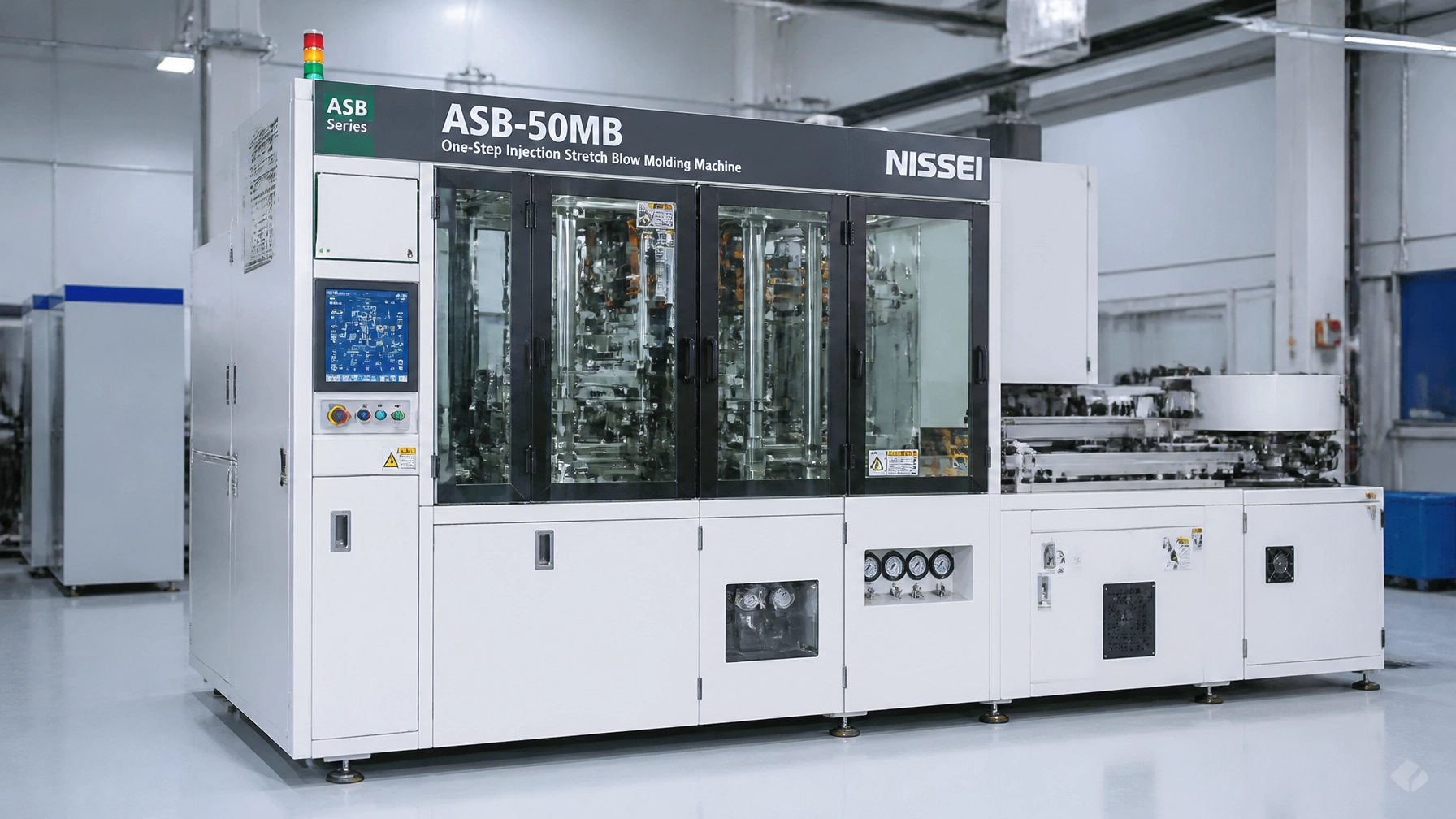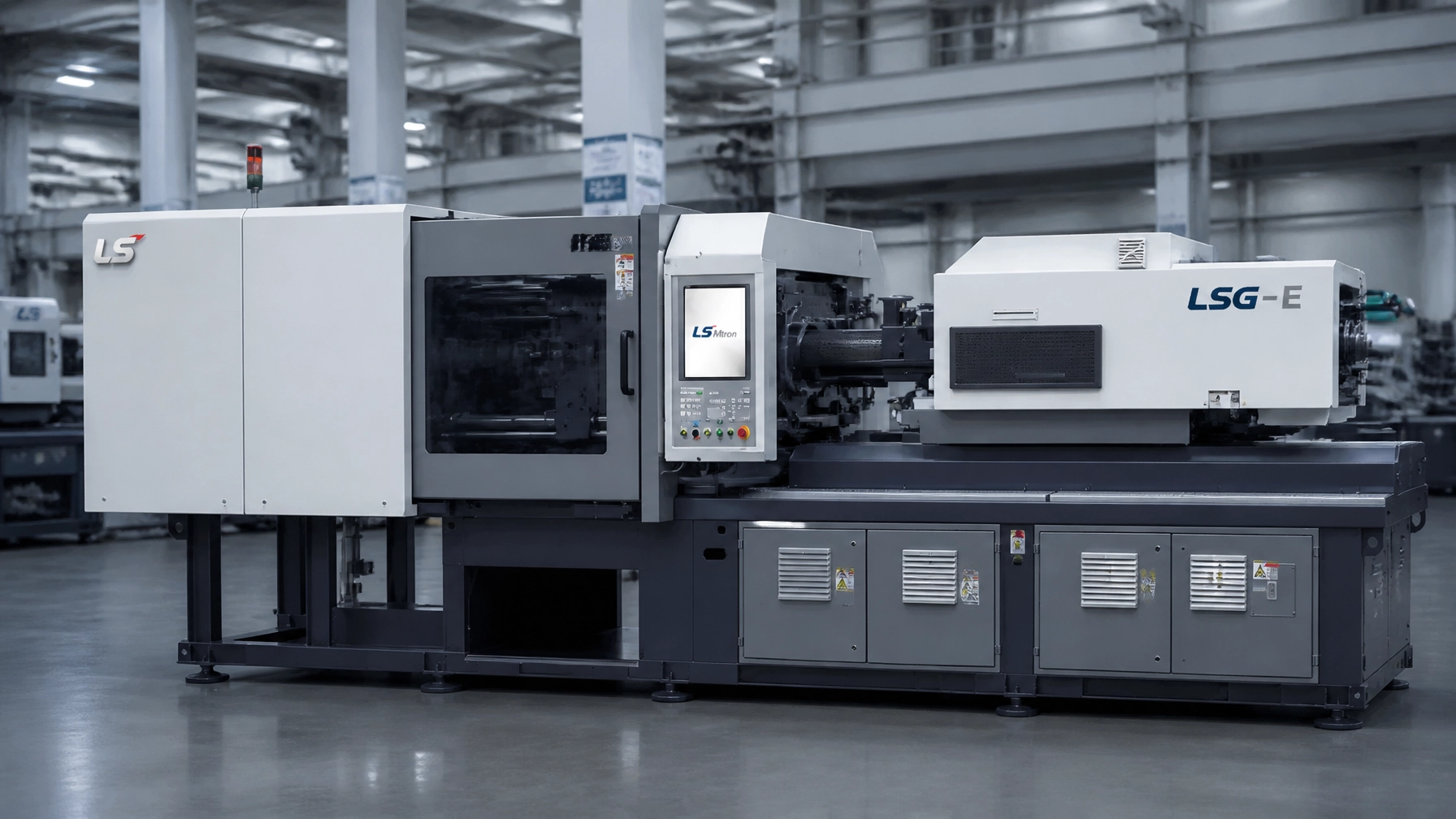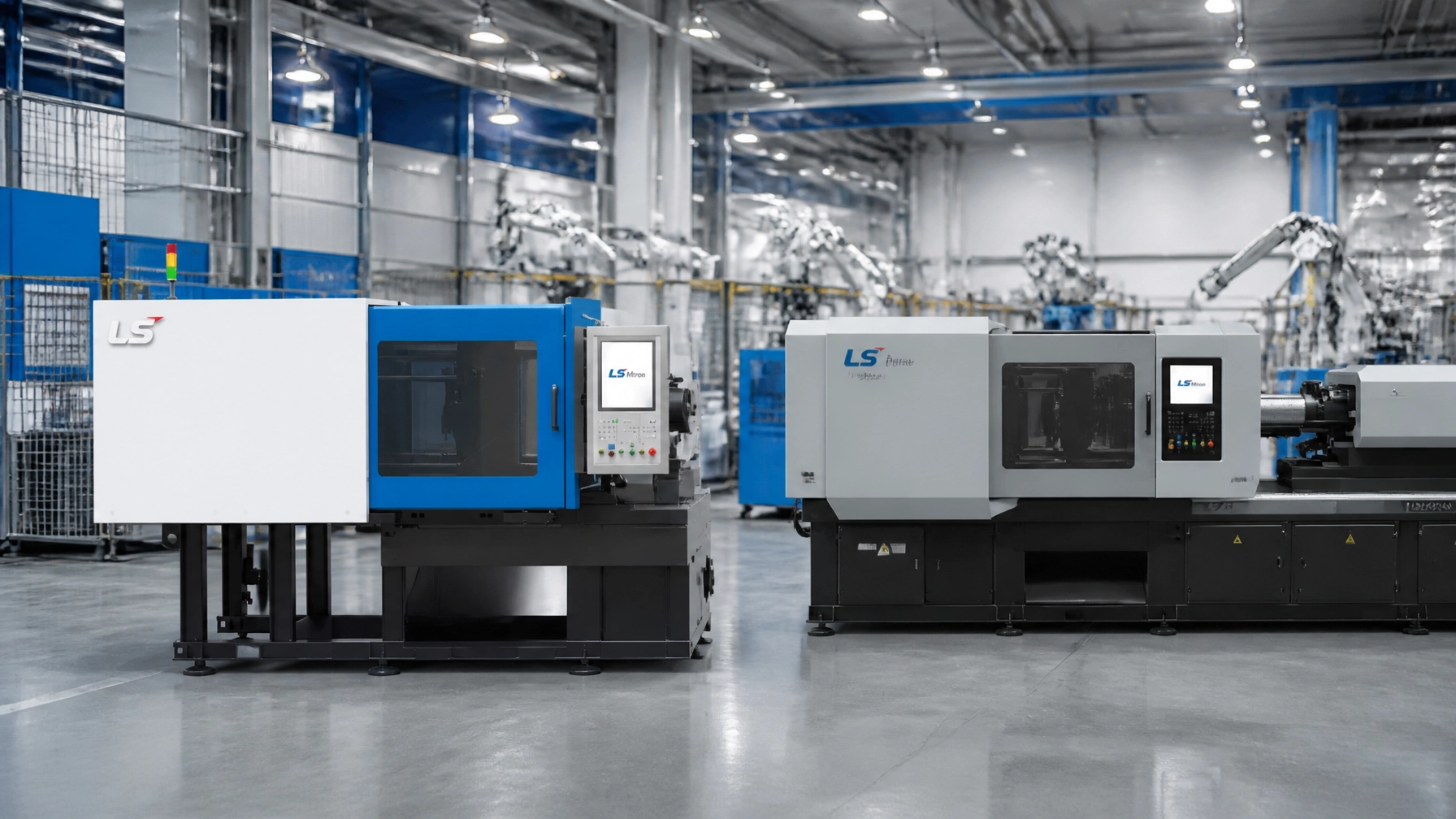
Choosing an injection molding machine is a long-term production decision, not simply a choice between machine brands or purchase prices. The right machine can reduce cycle times, lower energy use, simplify labor, and prevent costly scrap. The wrong machine can limit your products, increase maintenance, and make future expansion more difficult.
The most important point to understand is that all-electric, hybrid, and vertical machines are not always direct substitutes. All-electric and hybrid describe the machine’s drive system. Vertical describes the machine’s layout and molding orientation. A vertical machine may use hydraulic, servo-hydraulic, hybrid, or electric technology.
At Hirate America, we help experienced manufacturers optimize existing production and guide new companies through complete turn-key projects. Here is a practical way to compare your options.
Quick Comparison: Which Machine Is Best for Your Application?
| Machine type | Main strengths | Best-fit applications | Key tradeoffs |
|---|---|---|---|
| All-electric | High precision, fast response, lower energy use, clean operation | High-volume, thin-wall, medical, electronics, packaging, and tight-tolerance parts | Higher initial investment; tonnage and application availability must be confirmed |
| Hybrid | Strong balance of performance, tonnage, cost, and energy efficiency | General production, automotive, industrial parts, and larger components | Still includes hydraulic components and related maintenance |
| Vertical | Excellent insert molding, overmolding, ergonomics, and rotary-table integration | Metal inserts, electrical connectors, automotive components, medical parts, and multi-material products | Layout does not automatically mean faster or more energy efficient; drive type still matters |

1. All-Electric Injection Molding Machines
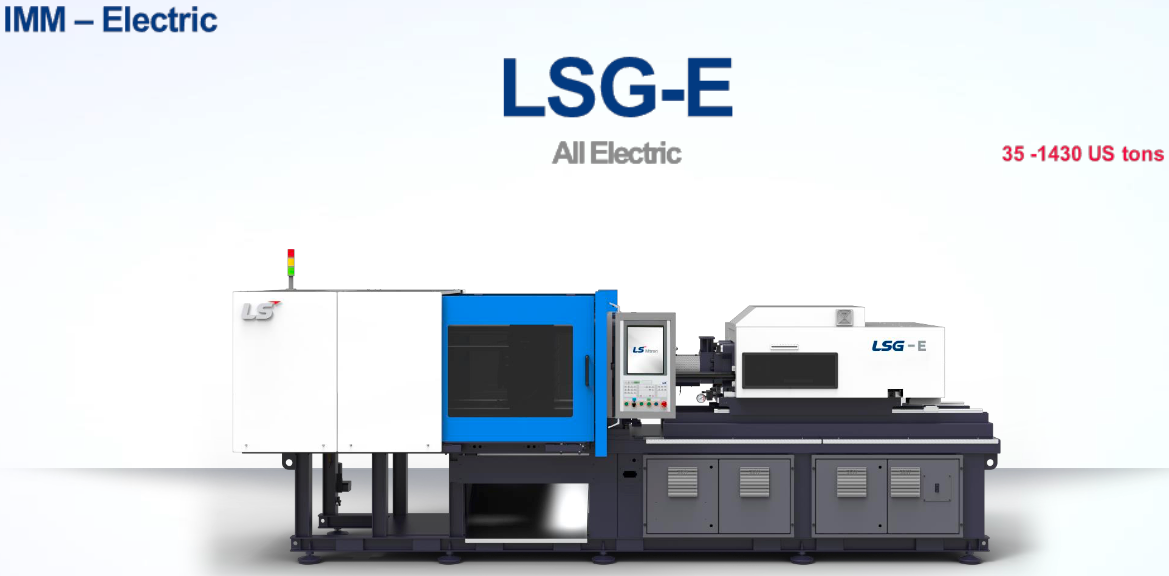
All-electric machines use individual servo motors to control functions such as clamping, injection, screw recovery, and ejection. Instead of relying on a continuously running hydraulic pump, each motor operates when its specific movement is required.
Main advantages
Lower energy consumption:
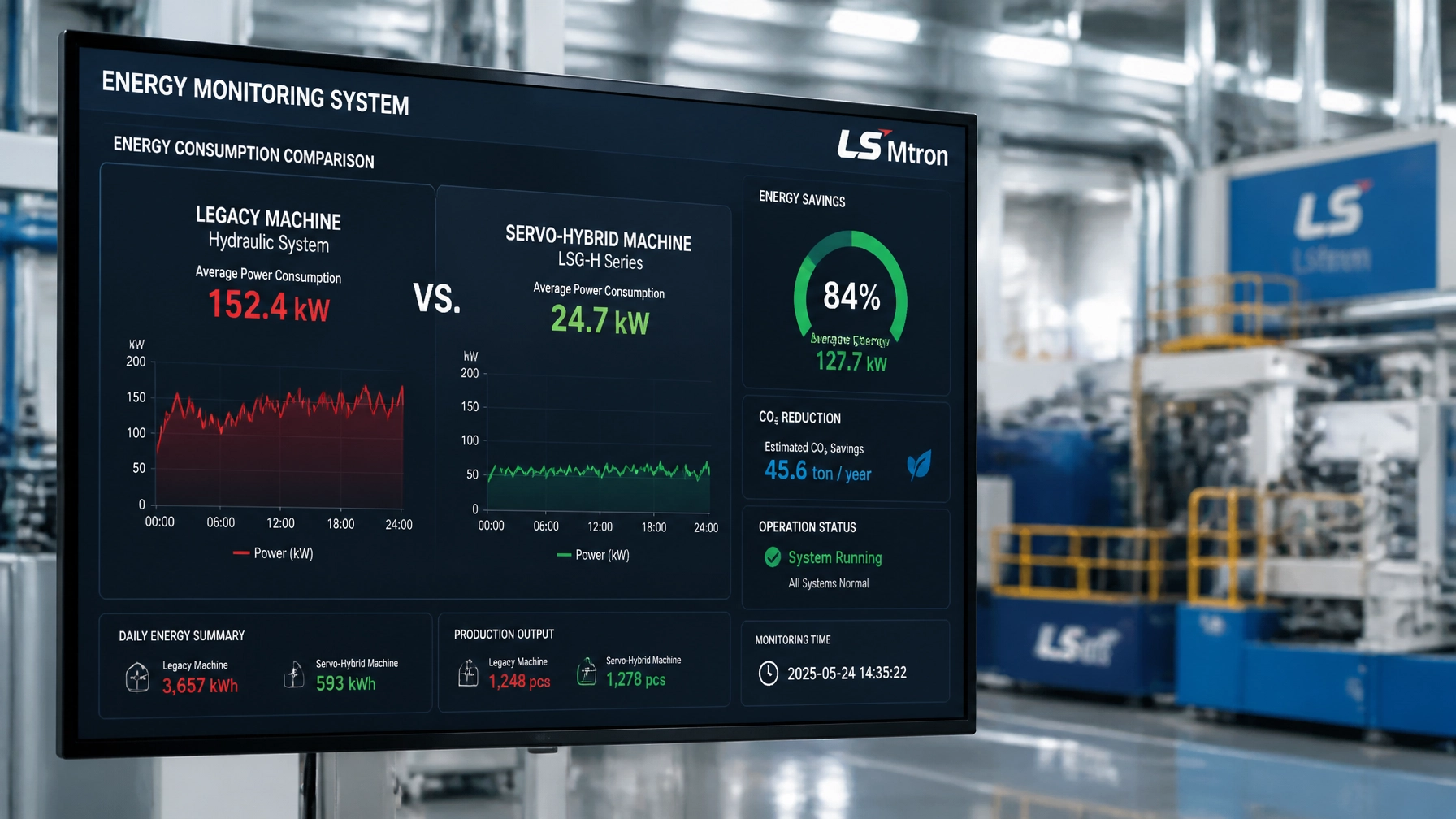
All-electric machines can reduce energy use because the motors are not constantly circulating hydraulic oil during idle or cooling portions of the cycle. The actual savings depend on the material, mold, cycle, machine size, and production schedule, but the benefit becomes more significant as annual operating hours increase.
Shorter cycle times:
Independent servo motors allow machine movements to overlap. For example, screw recovery may begin while the mold is opening, depending on the process and machine controls. These simultaneous movements can increase parts-per-hour output.
High repeatability:
Closed-loop controls provide precise feedback on position, speed, and pressure. This can help maintain consistent shot size and part dimensions throughout a production run.
Reduced scrap:
Better process repeatability can reduce variation, short shots, flash, dimensional problems, and start-up waste. Scrap reduction is especially valuable when you process expensive engineering resins or produce parts with strict customer specifications.
Cleaner operation:
Because all-electric machines do not use hydraulic oil for machine motion, they eliminate hydraulic oil changes, leaks, and potential oil contamination from the molding cell. This can be an important consideration for medical, food packaging, electronics, and clean manufacturing environments.
Important tradeoffs
All-electric machines typically require a higher initial investment than conventional hydraulic equipment. You should also evaluate the availability of local technical support, spare parts, servo drive knowledge, and the machine’s suitability for your required clamp force and mold dimensions.
Best choice when: you run high annual hours, need high precision, want lower utility costs, or are producing large volumes of thin-wall or tight-tolerance parts. Hirate America’s electric injection molding machines are designed for manufacturers prioritizing energy efficiency, repeatability, and long-term production performance.
2. Hybrid Injection Molding Machines
Hybrid machines combine electric and hydraulic technologies. The exact configuration varies, but many use servo-driven pumps or electric control for selected functions while retaining hydraulic power for clamping or other high-force movements.
Main advantages
Balanced investment:
A hybrid machine can provide many efficiency benefits without the full capital premium of an all-electric machine. This makes it attractive when you need to control upfront spending while still improving operating costs.
Efficient hydraulic performance:
Servo-hydraulic systems can adjust pump output to match the machine’s actual demand. Compared with older fixed-pump hydraulic machines, this can reduce wasted energy and heat generation.
Strong large-machine capability:
Hybrid designs are often practical for applications requiring higher clamp forces. Hirate America’s hybrid product offerings include configurations for a wide range of production requirements, including larger industrial applications.
Flexibility:
A hybrid machine can be a strong general-purpose choice for manufacturers running multiple molds and part families. It may provide enough speed and precision for demanding work while retaining the force and familiarity of hydraulic systems.
Important tradeoffs
A hybrid machine still includes hydraulic components. You may still need to manage hydraulic oil, filters, seals, hoses, and potential leaks. Maintenance requirements are generally lower than with older hydraulic designs, but they are not eliminated.
The exact performance also depends heavily on the machine’s controls, servo-pump design, clamping system, injection unit, and application setup. Compare measured cycle data and energy estimates for your actual mold rather than relying only on general machine categories.
Best choice when: you need a practical balance between purchase price, energy savings, clamp force, and production flexibility. Review Hirate America’s hybrid molding machine solutions to see how hybrid technology may fit your production goals.
3. Vertical Injection Molding Machines
Vertical machines are selected primarily because of how they handle the mold, inserts, operator access, and automation, not simply because of their energy performance.
The vertical layout places the mold in a position that can make manual or automated insert placement easier. Gravity can help keep inserts in position, while rotary tables or multi-station designs can allow one station to mold while another station is being loaded or unloaded.

Main advantages
Insert molding and overmolding:
Vertical machines are often an excellent fit for metal inserts, terminals, bushings, wires, and other components that must be positioned before injection.
Lower manual handling difficulty:
A well-designed vertical cell can make insert loading more accessible for operators. With proper tooling and automation, this can reduce unnecessary motion and support more consistent labor practices.
Flexible cell layouts:
Rotary-table machines can support multiple operations in one work area, including insert loading, molding, inspection, and part removal.
Potential scrap reduction:
Proper insert positioning, mold protection, vision inspection, and repeatable clamping can reduce misaligned inserts, damaged components, and incomplete overmolding.
Important tradeoffs
A vertical machine is not automatically faster or more energy efficient than a horizontal machine. Its cycle time and energy use depend on the drive system, machine controls, mold design, cooling, and process settings.
If your process relies heavily on manual insert loading, labor can remain a significant cost. In that case, evaluate the complete cell, including rotary tables, robots, sensors, conveyors, and poka-yoke features, not just the molding machine.
Best choice when: your product requires insert molding, overmolding, multi-station production, or easy operator access. Explore Hirate America’s vertical molding machines for vertical clamping, vertical injection, and combination configurations.
How to Compare Total Cost of Ownership
The lowest purchase price is not always the lowest-cost machine. Your total cost of ownership should include:
- Machine purchase and installation
- Mold and tooling requirements
- Robots, conveyors, and end-of-arm tooling
- Dryers, loaders, blenders, chillers, and temperature controllers
- Electricity and cooling costs
- Hydraulic oil, filters, lubrication, and maintenance
- Operator labor and changeover time
- Scrap, rework, and inspection costs
- Planned and unplanned downtime
- Training and technical support
A simple calculation can help you understand the investment:
Simple payback period = Additional machine investment ÷ Annual operating savings
For example, if an all-electric machine requires an additional $36,000 in investment but reduces energy, labor, and scrap costs by a measured $24,000 per year:
$36,000 ÷ $24,000 = 1.5 years, or 18 months
This is an illustrative calculation, not a guaranteed result. Your actual payback may be shorter or longer depending on production hours, electricity rates, part value, scrap rate, labor structure, and maintenance costs.
For a reliable comparison, ask suppliers to provide machine performance data based on your actual mold and material. A production trial or side-by-side energy measurement can be more useful than a brochure comparison.
Guidance for Existing Manufacturers
If you already operate a molding facility, start with your production data:
- Identify machines with the highest annual operating hours.
- Record current cycle time, parts per hour, scrap rate, and downtime.
- Measure actual energy consumption where possible.
- Review recurring maintenance costs and hydraulic issues.
- Separate high-volume production from occasional or low-volume work.
- Match each machine type to the part family it serves best.
You may not need to replace every machine with the same technology. A practical strategy could be to use all-electric machines for high-speed precision production, hybrids for larger or general-purpose work, and vertical machines for insert and overmolding applications.
Guidance for Building a Facility from the Ground Up
New manufacturers have an important advantage: you can design the entire production system before equipment is installed.
Start with the product, not the machine. Define:
- Part size, weight, material, and tolerances
- Required clamp force and shot capacity
- Target cycle time and annual volume
- Insert, overmolding, or automation requirements
- Expected staffing and labor availability
- Available electrical service and plant space
- Cooling, drying, conveying, and material-handling needs
- Future products and planned production growth
A new facility may require much more than an injection molding machine. Hirate America can help coordinate plastic process equipment, automation, molds, auxiliary systems, and production-line integration. This turn-key approach helps you avoid purchasing equipment that does not communicate correctly or cannot support your intended throughput.

The Bottom Line
Choose all-electric when precision, speed, cleanliness, high annual utilization, and long-term energy savings are priorities.
Choose hybrid when you need a balanced combination of investment cost, efficiency, flexibility, and higher clamp force.
Choose vertical when insert molding, overmolding, operator access, or rotary-table production is central to your product. Then select the drive technology, hydraulic, hybrid, or electric, that best supports your cycle time and cost targets.
The best answer is application-specific. At Hirate America, our specialists work with you to review the part, mold, material, production volume, automation, and auxiliary equipment before recommending a solution. As one customer shared:
“Their experience and knowledge, speed of delivery and quality of service we encountered throughout our project was simply world class. There is incredible peace of mind knowing that you’re in the hands of professionals.”
Whether you are upgrading one machine or building a complete facility, please get in touch with Hirate America. Big or small, we are always interested in helping with your upcoming project: and you should never hesitate to ask for guidance before making a major equipment investment.